
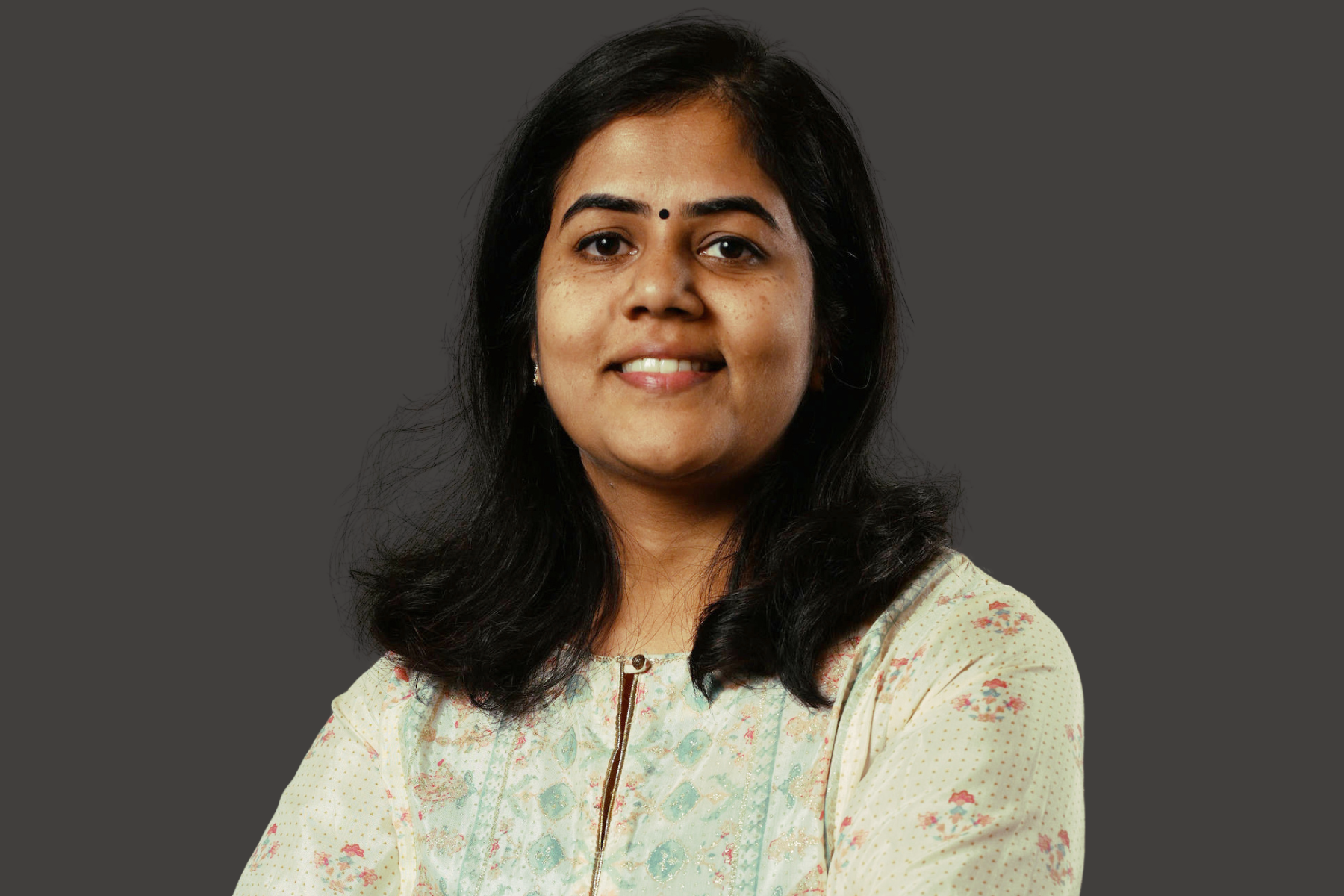
Lekshmi Rani
Lekshmi Rani’s career is a masterclass in trusting an unconventional path. A former project manager and assistant professor, she is currently a full-time doctoral researcher at Chalmers and Gothenburg University, where she works at the intersection of software engineering and psychology. Her research tackles the human side of tech — exploring developer behaviour, decision-making, and the psychological shifts that occur as AI transforms software creation.
From her first taste of BASIC programming in India to balancing research and motherhood in Sweden, she reminds us that technology is ultimately a reflection of the humans who build it. In this interview, she opens up about choosing curiosity over rigid boundaries, embracing an interdisciplinary path, and navigating the challenge of researching a rapidly moving target in tech.
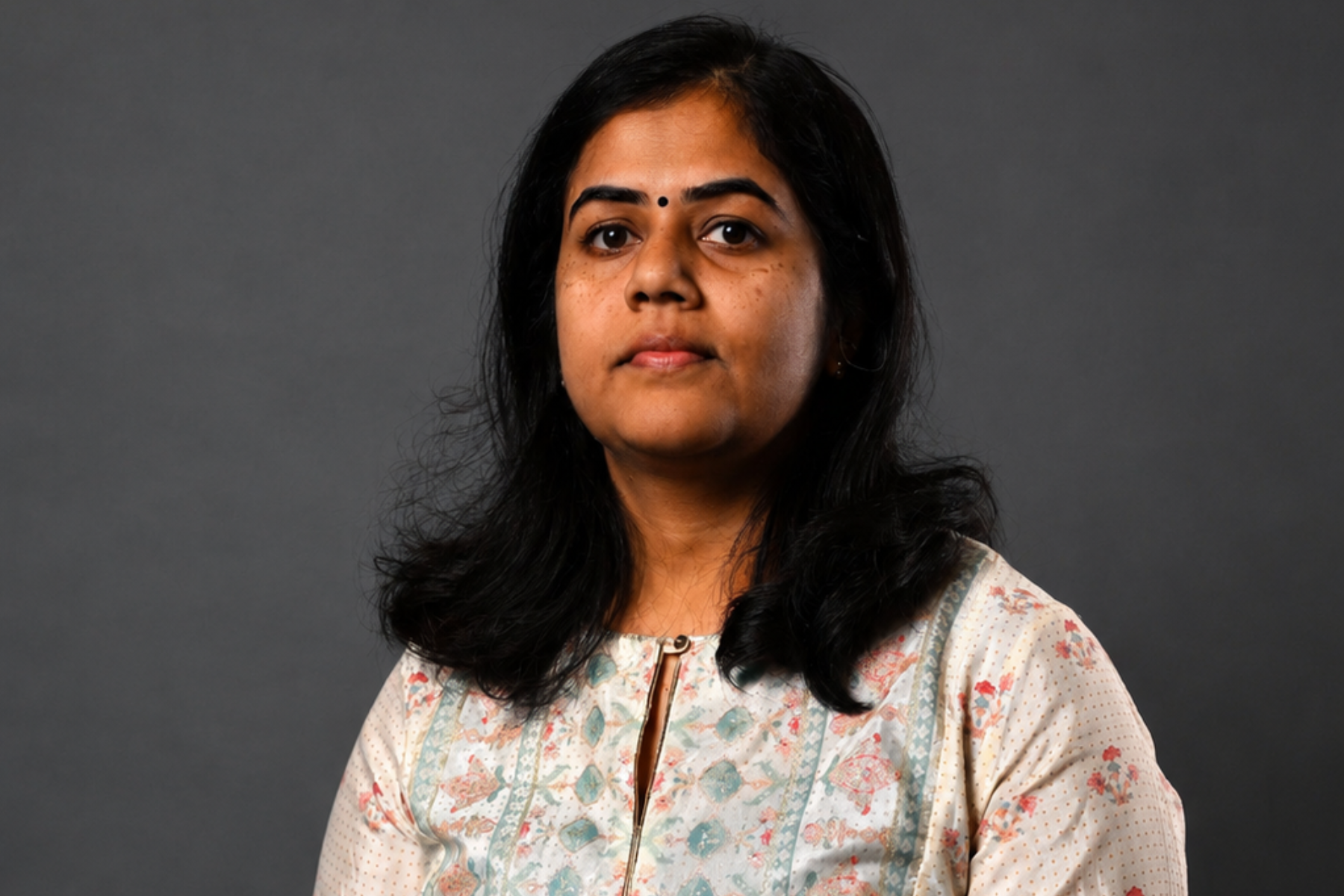
Tell us about yourself and your current role.
I am currently a Doctoral Researcher in the Interaction Design and Software Engineering Division at Chalmers University of Technology and University of Gothenburg, Sweden. I am an interdisciplinary researcher and my research sits at the intersection of Software Engineering, Psychology and Artificial Intelligence.
More specifically, I study human-AI collaboration in Software Engineering with a focus on the human side. I explore what happens to people, more specifically software practitioners, when they begin working with new technologies such as AI models, how their decisions are affected, how their behaviour changes and ultimately, how collaboration itself evolves when one of the collaborators is an AI model. I was particularly interested in this area, because I strongly believe that technology reflects the people who build it. So, it's important to study how practitioners themselves evolve and how their perspectives change when they start collaborating with AI tools for building software.
What first sparked your interest in tech?
My interest in technology actually started with a computer game. I grew up in India, and in the late 1990s, desktop computers were introduced at my school. I was fascinated by them, although initially it was not for any academic reason but because I loved playing games, especially Road Rash. That curiosity gradually turned into wanting to understand what computers could do and how they worked. When my school introduced BASIC programming, I got my first experience of writing code. That was my entry point into computer science and eventually led me to software engineering.
Another question started becoming more interesting to me during later stages of my university education. It was about the people behind the software. After my Master's, I started becoming more curious about the psychology of software developers - their decisions, behaviours and interactions. That curiosity led me to study psychology alongside my job and helped me gain a deeper understanding of the human aspects of software engineering. It was not an obvious combination at the time, but looking back, those different interests eventually came together and brought me to Sweden.
What challenges have you faced in your journey so far, and how have you navigated them?
One of my biggest challenges can also be considered one of my biggest strengths. I have always been interested in two fields that seemed quite different - software engineering and psychology. For a long time, I was trying to understand where and how those two belonged together. Instead of giving up one for the other, I kept looking for the intersection. Eventually I discovered the field of human and behavioural aspects of software engineering and now those two parts of my academic identity make sense together.
I face a different challenge now. AI is transforming software engineering extraordinarily quickly. As a researcher, I am studying a moving target. The technologies are changing, but so are developers' behaviours, expectations, concerns and ways of working with them. I have learnt to navigate that uncertainty by being comfortable with not having all the answers. Research for me is increasingly about asking the right questions at the right time, listening carefully to practitioners, and being willing to adapt as the field changes. That is also the beauty of qualitative research, which I am mostly interested in.
Looking back at your career so far, what is the one thing you are most unapologetically proud of?
I am unapologetically proud of pursuing my goal of being a researcher even though my path was not linear. I worked as a project manager and assistant professor for a long time before deciding to pursue research. Leaving a stable job and pursuing a challenging role as a researcher while raising a child is something I never thought that I would be able to accomplish.
In addition, my interests spanned disparate fields but I continued following the questions that genuinely interested me rather than trying to fit myself into one conventional box. So, I am proud that I trusted an unconventional interdisciplinary path long enough for the pieces to come together. I was able to find my research identity that genuinely reflects who I am and what I care about.
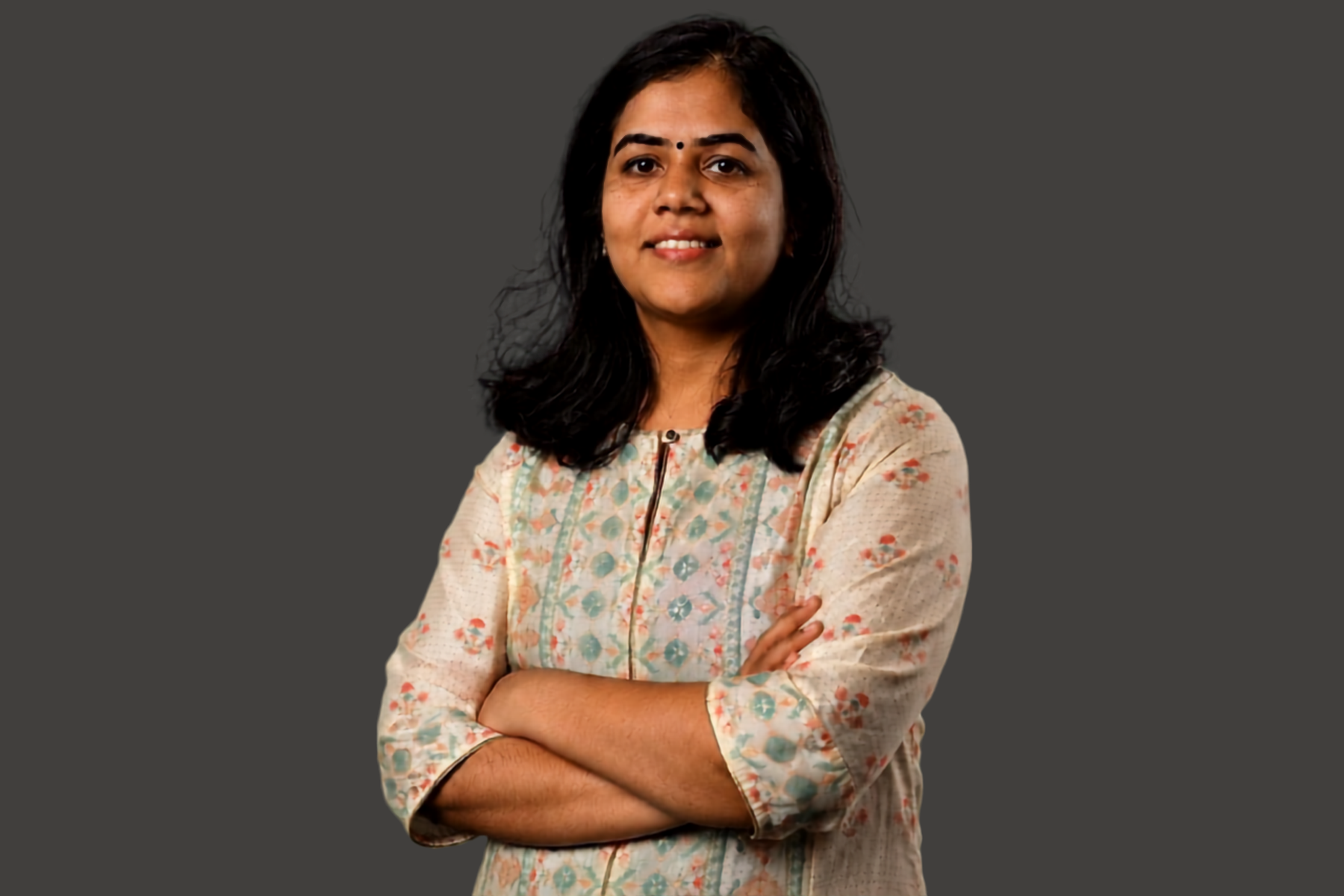
How would you describe your approach to tech?
As a software engineering researcher, I believe that software is more than technology. It reflects the people who build it, and it shapes the people who use it– so, design for consequences.
Have there been moments where you’ve considered leaving tech? If so, what made you stay?
I don't think there was any moment where I consciously decided that I wanted to leave the tech field, but there were moments when I was confused because my two areas of interest — software engineering and psychology — felt like two separate directions and I always wondered whether I would eventually have to choose between them. I was not ready to leave one for the other. What made me stay was realizing that I did not have to make that choice. Technology is basically shaped by humans. It is imagined, designed and built for people and eventually, it goes on to influence people. So in many ways, all those confusions and things that made me question whether I belonged in tech are sort of now the reason why I am still here, doing my research on the human and behavioural aspects of software engineering.
Who are the 'champions' in your life who helped you see your own potential when you might have doubted it?
My mother is the champion and role model in my life. She was in academia as well and retired as the principal/rektor, so I grew up with a strong female role model close to me. What influenced me most was not only what she told me, but what I saw her do. I never saw her restrict her career, her ambitions, or her interests outside academia because of the different responsibilities she had in life. She always believed in me and my potential to do things which gave me the strength and will power to pursue what I like.
How do you strive to lift others up as you progress in your career?
I have never consciously done anything to lift others up as I progress in my career. I approach it in a more simple manner – if someone needs my help or support and I can offer it, I try to be there. For me it is about being a kind colleague, someone who is available, supportive, and genuinely happy to see others succeed. I also try to remind myself that my competition is with myself, not with my fellow researchers or colleagues. Someone else's success does not take anything away from mine. I think that mindset makes it easier for me to share what I know, celebrate other people's achievements and support them without constantly comparing where I am in my journey.