
Community Spotlight: Laura-Mirella Lomakin
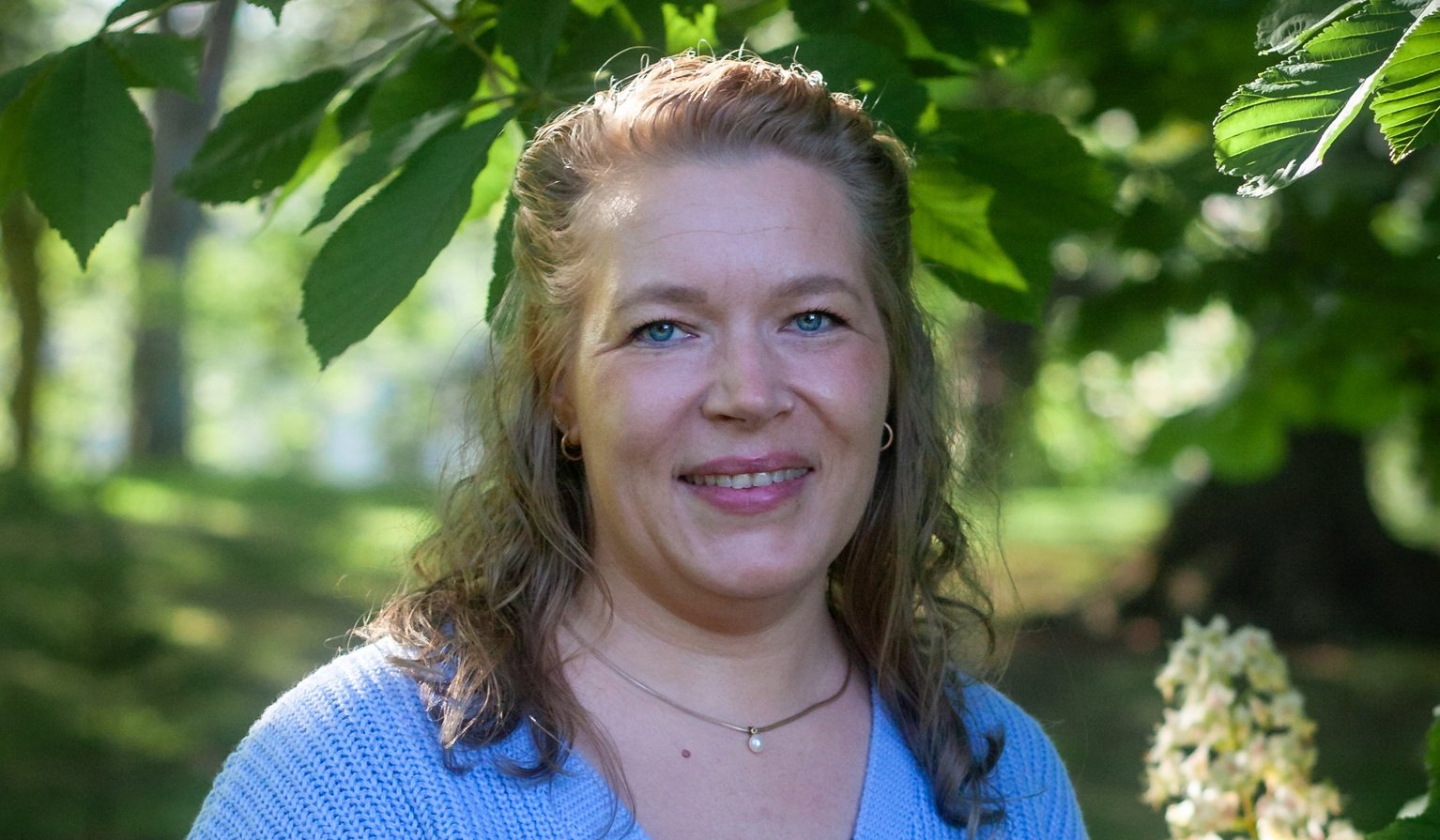
Laura-Mirella Lomakin
It is never too late to start over, and Laura-Mirella Lomakin is a living example of that adage. After working as a preschool teacher for many years, she decided to take a plunge into the tech world as a student. Her catalyst? A realisation that digital tools are rarely designed to cater to the diverse needs of children, especially neurodivergent kids, and their educators.
Today, as an AI and machine learning student, Laura-Mirella is focused on human-centered AI, aiming to build tools that support social, emotional, and cognitive development in ways that make people feel capable, included, and understood.
Going back to school has been a challenging experience, but it is a decision she is immensely proud of. Alongside a supportive family, what keeps her going is the belief that her new path isn't a detour. Instead, her past experience has perfectly equipped her with unique tools to thrive in her new career.
“What I carry with me from that world is the importance of kindness, trust and psychological safety. I believe kind words and kind intentions create environments where people dare to ask questions, share ideas and grow,” she says.
Tell us about yourself and your current role.
I’m currently studying AI and Machine Learning at IT-Högskolan, after many years of working as a preschool teacher. In my previous role, I worked closely with children with different needs, including neurodivergent children, and that experience shaped how I think about technology and inclusion.
As both an educator and a parent, I’ve seen how digital tools are often introduced into children’s lives without being deeply rooted in their real needs or developed together with the people who know them best, such as teachers, caregivers and parents, many of whom are women. That feeling of not owning the tools I used daily became one of the reasons I chose to move into tech.
Today, I’m especially interested in human-centered AI and how technology can support social, emotional and cognitive development in ways that make people feel more capable, included and understood.
What first sparked your interest in tech?
My interest in tech started quite practically. A colleague and I began exploring how large language models could support parts of our everyday work in preschool education. What struck me was not that the technology was perfect, but that it could help us structure thoughts, reflect, formulate ideas and save time in a demanding environment.
There was something almost childlike about that first fascination. Suddenly, technology felt less distant and more creative, collaborative and full of possibilities.
That experience made me curious. If a general tool could already provide that kind of support, what could be possible if technology was designed more intentionally around the real needs of children, educators and caregivers?
From there, my interest in AI grew from curiosity into a stronger sense of direction. I wanted to understand the technology behind it and eventually be part of building tools that are thoughtful, inclusive and grounded in real human needs.
What challenges have you faced in your journey so far, and how have you navigated them?
One of the biggest challenges has been starting over while still carrying the responsibilities of an adult life. I am not entering tech straight from school. I am studying with a family, a previous profession and many years of work experience behind me.
Mathematics has also been a real challenge. In school, I barely got through it, and I would never have imagined that I would one day study math at the level I have during the past year. It has taken a lot of effort and patience. There have honestly been evenings when I sat in tears, wondering what I was doing. Recently, I received a VG on a statistics test, which felt like a huge personal milestone. I am almost ready to frame it.
What helps me is learning in a way that connects concepts to language, context and real examples. I try to break difficult things down into smaller parts and allow myself to slow down and learn step by step, instead of expecting everything to make sense immediately.
I also remind myself that my background is not a detour. It is part of the reason I am here and it has given me tools I can use in my new career.
Looking back at your career so far, what is the one thing you are most unapologetically proud of?
Looking back, I think the thing I am most unapologetically proud of is allowing myself to start over, taking some radical steps to change direction and pursue something that once felt completely out of reach.
For a long time, I never would have imagined myself working with technology. Today, I am studying subjects I once thought were only for “other people”, while still carrying my background in education, caregiving and motherhood with me.
I am also proud of the example this sets for my daughters. I want them to grow up believing that curiosity does not have an age limit, that changing direction is allowed, and that they do not have to follow a perfect path to belong in the places where they want to be.
How would you describe your approach to technology?
For technology to be truly human-centered, the people who use it should also have a voice in shaping it.
Who are the 'champions' in your life who helped you see your own potential when you might have doubted it?
I have been very lucky to have people around me who have continued to believe in me, even during the moments when I doubted myself.
For a few years, I worked in what I still think of as my “dream team” together with Lin Karnevi and Sofie Ulveståhl. At work, we carried each other through projects with a positive attitude and genuine care for one another. None of us still work in the same profession today, but we have continued to support, encourage and push each other forward through new challenges and career changes. Having people around you who understand both your strengths and your struggles makes a huge difference.
The person who has carried the everyday structure of our family through my studies is my husband. Without his support, encouragement and honest words, this journey would simply not have been possible.
In your experience, what does 'inclusion' look like in practice in a high-performing tech team? Is there a specific practice or mindset that you’ve seen work?
I do not have experience working in tech teams yet, but I do have many years of experience working in high-pressure team environments through education and childcare.
What I carry with me from that world is the importance of kindness, trust and psychological safety. I believe kind words and kind intentions create environments where people dare to ask questions, share ideas and grow. In my experience, high-performing teams are rarely built on competition alone, but on people supporting each other and seeing success as a shared effort.
To me, inclusion also means understanding that people think, communicate and learn differently. When teams make space for that, they become both more human and more resilient.
Being part of the Gothenburg tech scene, what is one thing you think makes our local community unique or one thing you’d love to see improve?
I might still be in a bit of a positive bubble as someone fairly new to the Gothenburg tech scene, but one thing that has genuinely surprised me is how supportive and encouraging people have been.
I have met people who are generous with their knowledge, curious about other people’s journeys and genuinely willing to help. Coming from a completely different profession, that openness has meant a lot to me.
I hope that sense of curiosity and kindness continues to grow, because I think it makes it easier for more people to feel that they belong in tech.